My colonial ancestors travelled north, if only by name, giving the book its title: Wigley’s Waterhole. My own journey followed more than a century later. It is part personal narrative and part recent history of northern Australia through the 1970s and 1980s.
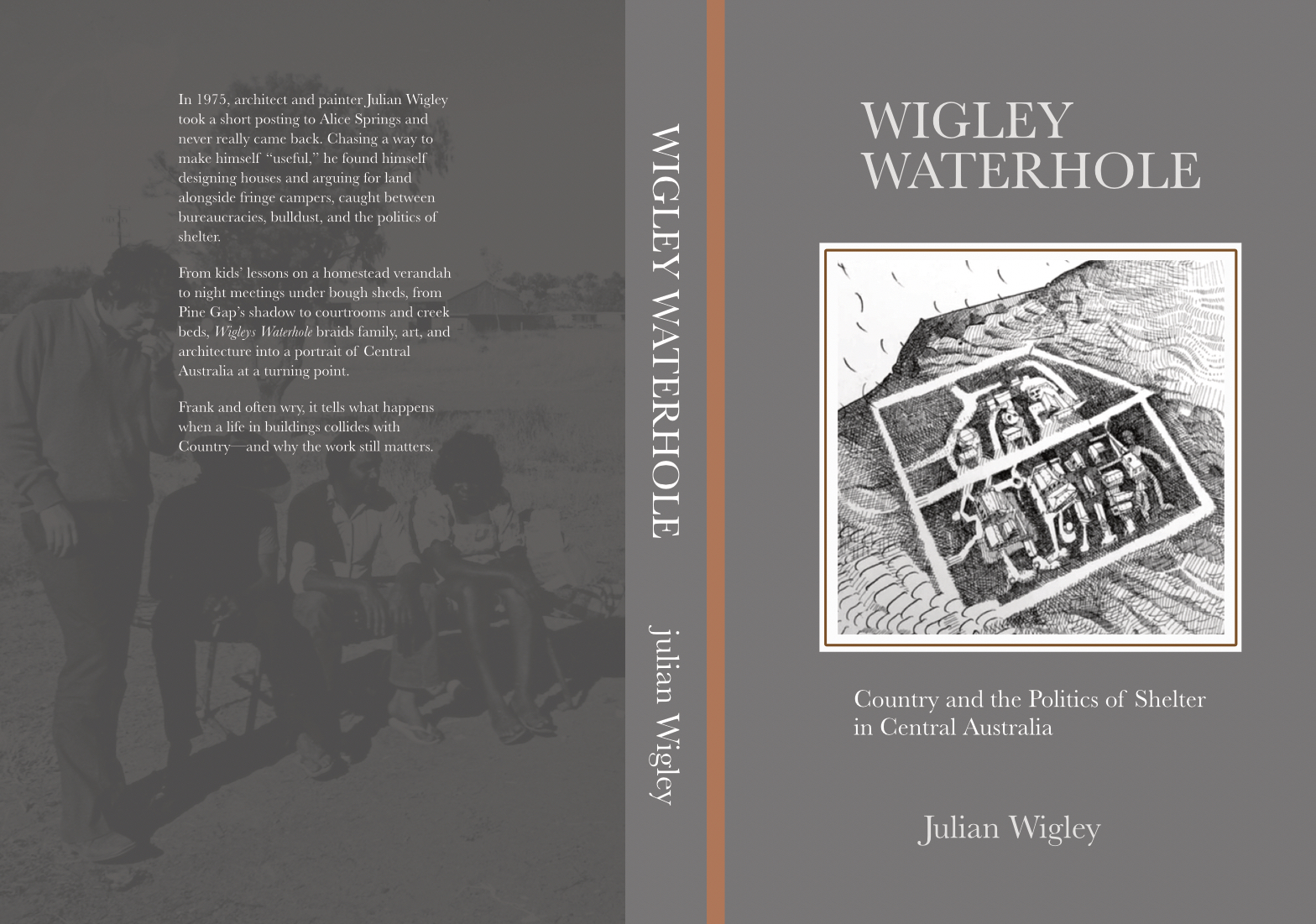
Update: Looking forward to a proofing copy at the end of July 2026. I will see if it finds a publisher or a quiet bookshelf somewhere.
About Wigley’s Waterhole
Wigley’s Waterhole interweaves stories of daily interactions between the whitefella world and the blackfella world, and the author’s place working within both, where those worlds often pulled against each other.
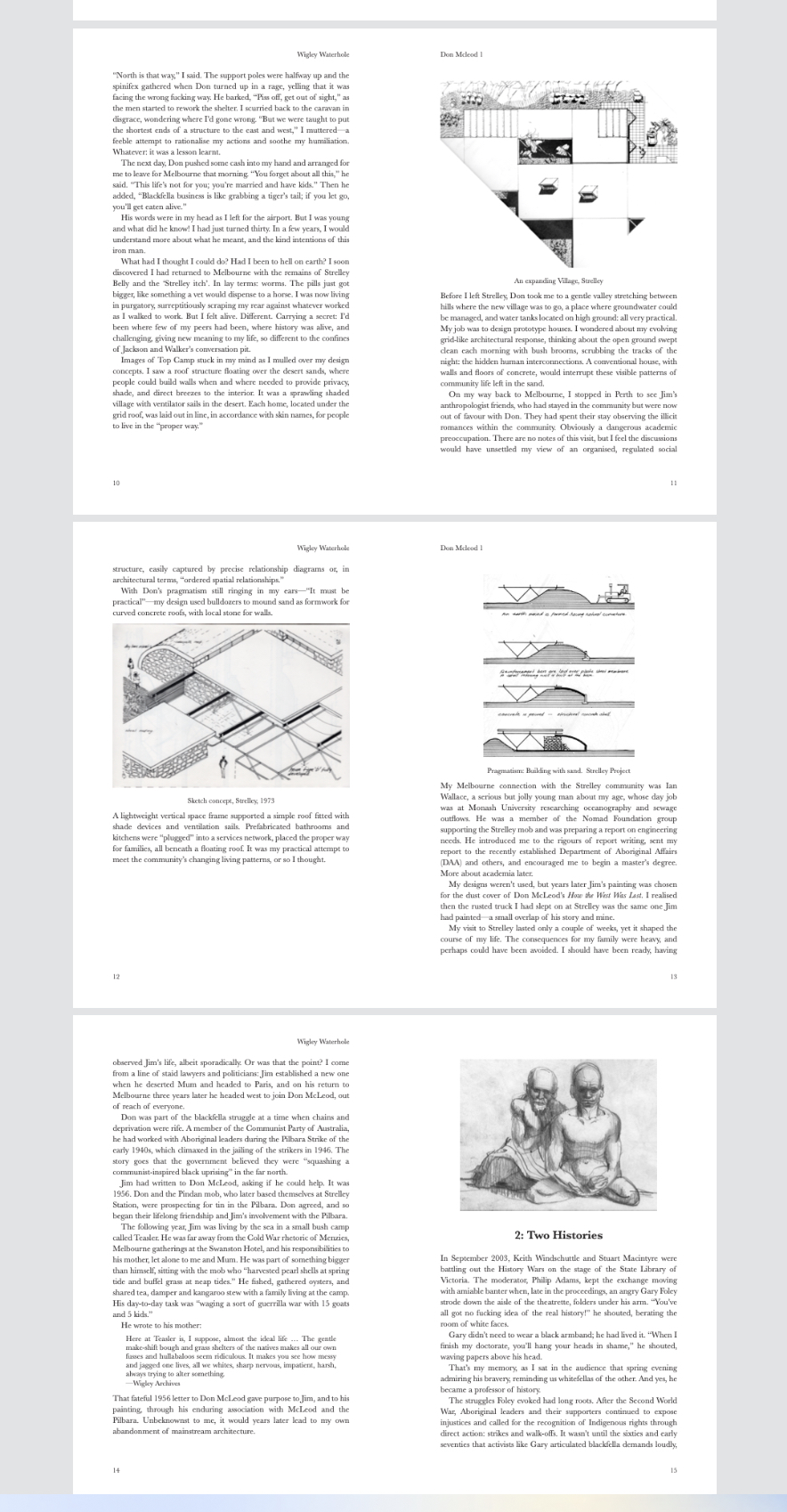
It is late May 1973. A young Melbourne architect boards a plane to Port Hedland, summoned north by a letter from Don McLeod, organiser of the 1940s Pilbara strike. Don’s parting words follow him home: “Blackfella business is like grabbing a tiger’s tail; if you let go, you’ll get eaten alive.” Julian Wigley ignores the warning.
Its title comes from a waterhole named after Wigley’s great-grandfather. His father, the painter Jim Wigley, had gone west in 1956, choosing art and blackfella politics over family. Julian goes north, as his father had.
The story moves between Melbourne, Alice Springs and remote communities. Beginning at Strelley Station in Western Australia, where the legacy of Don McLeod and the Pilbara strike shaped approaches to land, work and autonomy, the book follows Wigley’s involvement in Aboriginal housing and land issues across four decades.
From 1975, working with the Aboriginal and Torres Strait Islander Housing Panel (ATSIHP), Wigley establishes its Alice Springs office and works with fringe campers in the development of town camps, including housing design and the formation of Tangentyere Council.
In Alice Springs and Tennant Creek, town politics, entrenched racism and competing interests work against land tenure, services and housing, but people hold the work together through persistence, humour and comradeship, with blackfella wit and whitefella reticence, and moments of misunderstanding and violence set against the scale and beauty of country.
Housing follows: drawings, prototypes, budgets and construction under scrutiny, with finished houses ready for anyone’s opinion, invited or not.
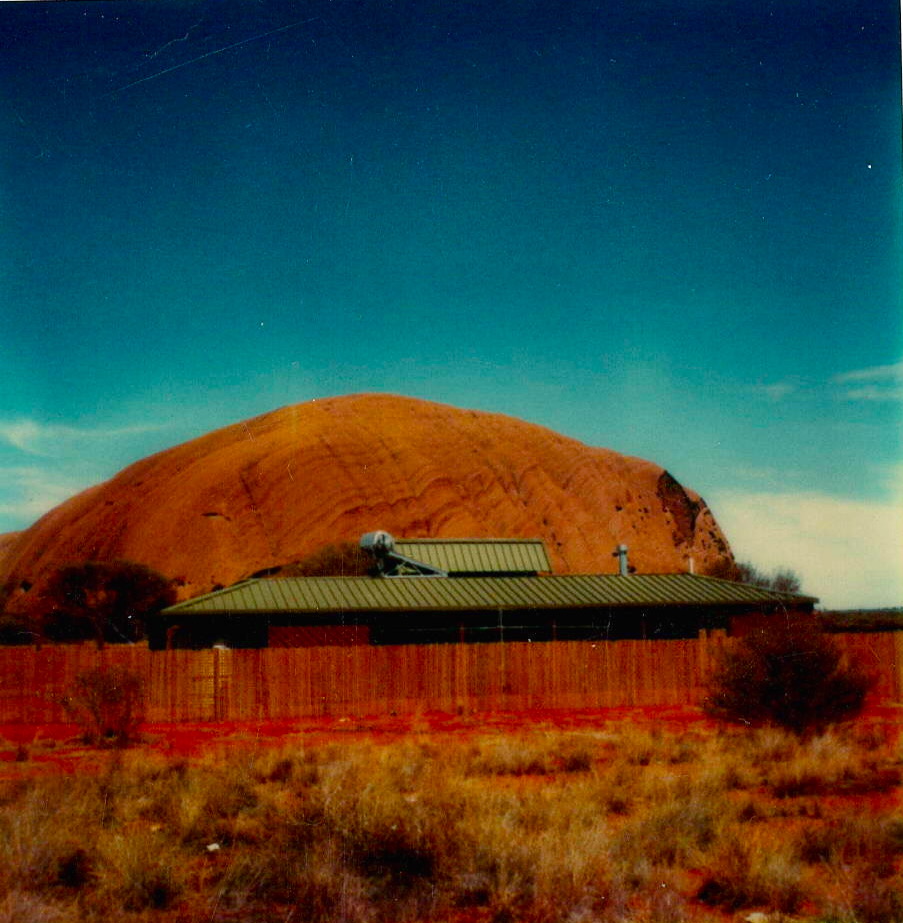
The work unfolds under the Whitlam and Fraser governments, when land rights and self-determination were contested and reshaped. Governments pursued measures to alienate land through park legislation and the expansion of town boundaries, limiting Aboriginal interests and claims, extending to the contested ground of Uluru and its control and use.
The dismantling of the Housing Panel became a national issue, drawing protests from communities across Australia. Wigley responded with a series of comics. The first drew on bureaucratic entanglements and responses, costing him a grant. The second drew attacks from the mining lobby, including threats of libel over depictions of people scavenging at the Roebourne rubbish tip. After months of dispute, Catholic bishops ordered the remaining 6,000 copies destroyed and dumped at the Bankstown tip.
Periods of estrangement follow: retreats into conventional architectural practice, painting and drawing, and attempts to step away to Queensland and Adelaide. But the work returns through Noonkanbah, Aurukun, Tennant Creek, Elliott and Katherine, as Aboriginal organisations struggle to hold ground while government policies shift around them.
The epilogue returns to the work across forty years and the pressures that remain. The book closes in a tin shed in a garden. The family holds. Architecture, art and family were each discarded at times, each taken up again.
Wigley’s Waterhole is the final book of the trilogy drawn from Red Heart No. 3: Catch Him by His Name, a personal and historical narrative of family, art, and architecture. The other books are:
Malahide: A House of Many Homes tells Mum’s story, from my Adelaide parents’ move to the bohemia of Warrandyte in the 1940s to Mum’s boarding house in inner-city Richmond during the 1950s and 1960s.
Jim: An Australian Boy about my father—his life and art
***
Notes to myself:
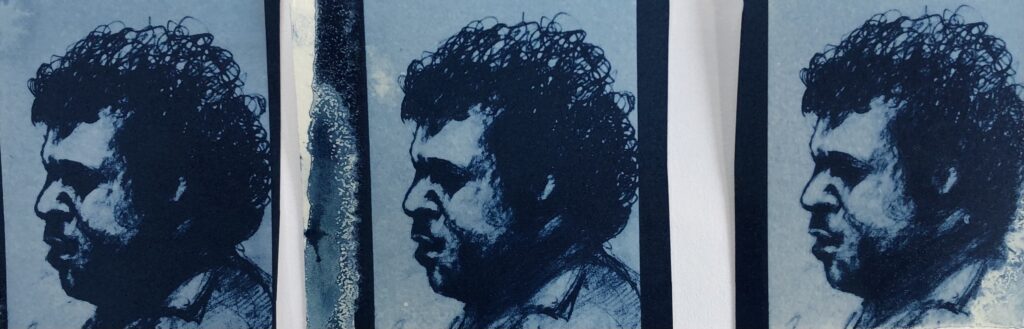
Remembering the people I worked for, in drawn line and words.
The writing’s done (I say that carefully). Now for the illustrations: sorting photos and searching for matching negatives buried in ageing boxes. My drawings and diary sketches — some yellowed with time, others still waiting to happen.
***
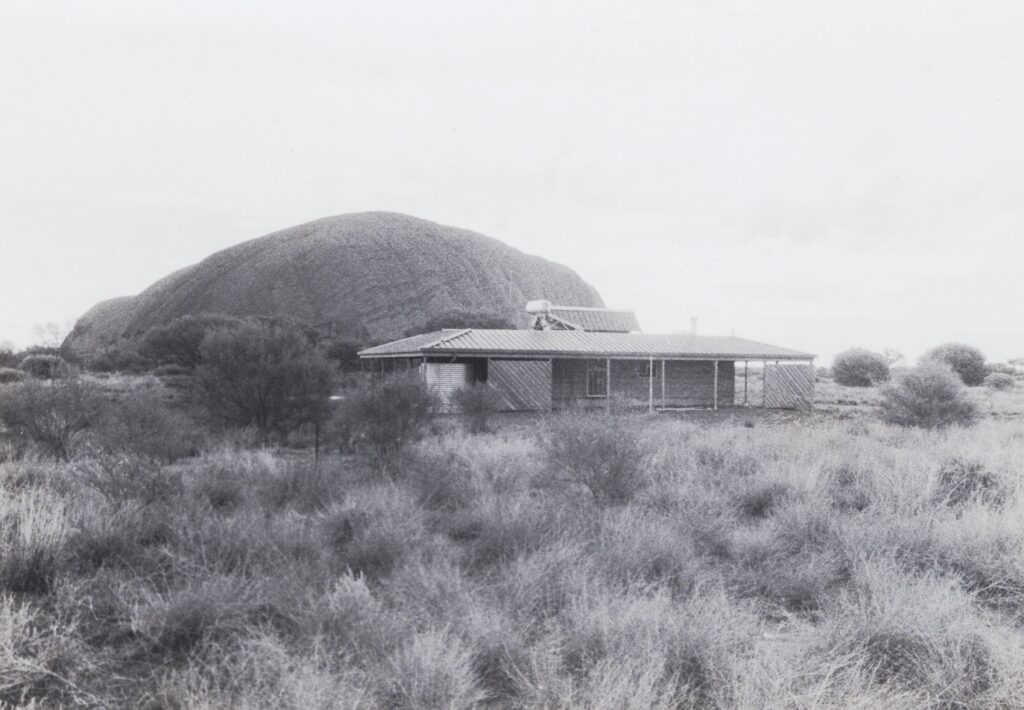
Funded by the Australian National Parks and Wildlife Service.
Excerpt from Wigley‘s Waterhole — Chapter 10
… I met with the Uluru mob over several days, assisted by Ben Clyne from the CLC, to confirm the site of the prototype house and consult with the family who would live in it. I also checked on the use of the two earlier shelters. My first task was to confirm where people wanted to live once the title was granted, and to get a house built quickly before any attempt was made to move the community outside the park boundary …
***
Link to my colonial past.

My great grandfather, William Rodolph Wigley, South Australia (1826–1890)
Updates . Recent to past
UPDATE. 12 September 2026. Title changed back to Wigley’s Waterhole with the added apostrophe. It may change again… 🙂
UPDATE. 15 August, 2026. There are further revisions required after reviewing the proofing copy. For starters, the working title, Wigley Waterhole, changed to:
An Architect (of many houses) A memoir of family, country and the politics of shelter in remote Australia
Redo the book cover. Current design looks bureaucratic, chang to matte finish and new layout. Then further editing … mainly increase outer margin and minor corrections.
UPDATE. Final draft, 7 July 2026. Looking forward to a proofing copy from printer in a couple of weeks.
UPDATE. Manuscript finished (he said to himself)—1 March 2026.
Original post: at Fifteenth draft completed in October 2025